
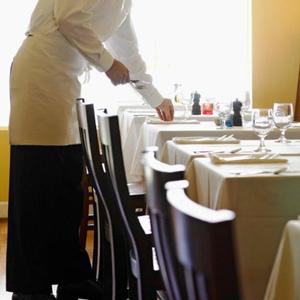
If you are a student and you need to make a little extra cash to pay the bills, waiting tables is a great way to achieve this. It’s also a great way to begin your practical training in any Food and Beverage outlet – if you can understand how to wait tables, you will likely be able to understand customers better, know how operating procedures work in F&B, and how great service can be achieved.
This blog goes hand in hand with our blog this month on basic wine service training – so be sure to read them both. There are many types of dining establishments with various types of table service and set up – we are looking at fine dining establishments in this blog.
What does it mean to wait tables?
By definition, a waiter or waitress is someone whose job is to serve customers at their tables in a restaurant. But this job is not limited to only the food service. It often includes greeting guests, seating them at the appropriate table, taking food and drink orders, explaining menu items and specials, delivering food and drink to the table, clearing tables, wiping down tables, taking payments and processing payments, stocking and re-stocking food or drink stations, basic restaurant cleaning duties like polishing cutlery, packing away glasses and more.
Greet your guests with a warm smile and if they have a reservation, escort them to their table and seat them. If they don’t have a reservation and you can assist with a booking, do so, or offer your guests a seat at the bar until a table becomes available.
Present the guest with menus and offer to take a drinks order. Bring the drinks to the table and serve.
After drinks service, ask your guest if they would like to hear about any of the current specials, and if they are keen, make sure you don’t recite them like a speech, but rather discuss them with interest.
Don’t feel the need to tell them your personal favourites – that can come across as pushy and unnecessary.
If there are any menu items missing, now is the time to mention them.
Offer your guests water and if your restaurant offers a bread service, this would be a great time to serve that.
Take the order and thank your guests for their selection. Advise the guest how long you estimate the food preparation to take.
Top up wines and ensure drinks are looked after during this time.
Remove unwanted glasses and prepare the correct cutlery to be laid down as per the guests orders. Relay the cutlery.
Once the food is ready to be served, bring the food to the table and serve ladies first.
There is a great deal of speculation as to which side you should serve from and which side you should clear from. We believe that food already plated should be served from the right and cleared from the right. It is more common place to see this happen in F&B outlets worldwide however if your restaurant has a different policy on this, you must stick to that policy. If you need to use a tray for service, this is usually acceptable.
Once the food is eaten, clear the plates (from the right) when everyone has finished eating. This again can be argued, with many restaurants citing that plates should be cleared individually when a guest has completed their meal.
Most fine dining establishments will argue this point as clearing before others have finished may make them feel rushed.
Allow the guest some time to enjoy their drinks before asking if you can present them with the next course or if they only ordered a main course, if you can present them with the dessert menu.
If desserts are ordered, apply the same cutlery service and make sure you crumb down the table before you relay the new cutlery.
When the table service is complete and the guest would like their bill, present the bill in a bill folder, process the payment efficiently and thank the guest before they leave the restaurant. Make sure the bill comes with a working pen!
One of the most important parts of a waiter/waitresses job is good service.
As part of your job you are expected to build a rapport with your guest, and make them feel comfortable, welcome and looked after during their dining experience. It’s easier to achieve than you think and even if you don’t enjoy the guests you are serving for whatever reason, you still have a duty of care to ensure that you serve them to the highest standard of your establishment.
Don’t ever overlook the basics that make such an impression – a warm welcome, a smile, greeting guests by name (which you can get from the reservations book), being courteous and thanking guests for their time. Great service can lead to great tips, so go the extra mile for your guests.
(Image credit 2: www.shutterstock.com Image 3: knote.com)
